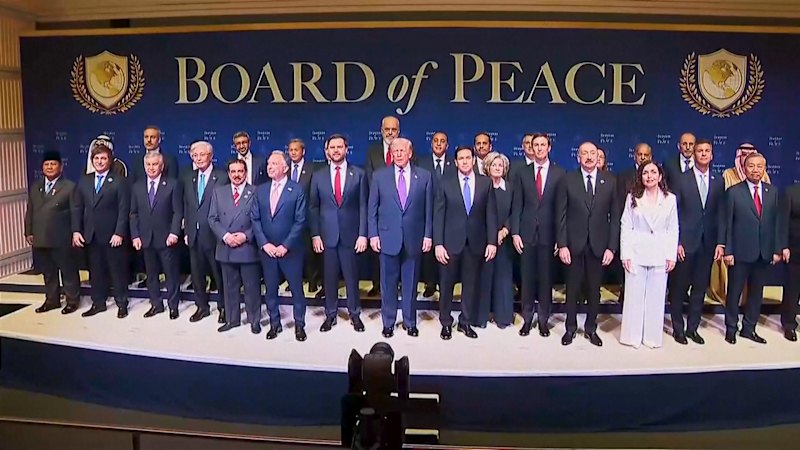
The map on the desk in Washington looks clean. It features neat lines, numbered bullet points, and the smooth prose of technocrats who believe history can be ironed flat with a signature. Fifteen points. A phased withdrawal. A transition to an international security force. To a distant observer, it reads like an architecture of hope, a meticulously engineered bridge across an abyss of fire.
Then daylight breaks in Jerusalem.
Prime Minister Benjamin Netanyahu stands before his cabinet and tears the blueprint apart. Israel does not accept the document. The troops will not move. Not a single centimeter, his ministers echo, until every rifle, every rocket, and every subterranean tunnel is eradicated.
Consider what happens when abstract diplomacy crashes into raw survival.
For months, American leadership touted a major breakthrough, insisting that a framework had been forged to end the devastation. But blueprints do not bleed, and they do not remember the sirens of October 7. To the Israeli security establishment, any agreement that allows armed factions to retain a single hidden cache of weapons in exchange for a premature military exit is not a peace plan. It is a postponement of disaster.
The paradox at the heart of the negotiation is absolute. Hamas demands an end to the military campaign and a full Israeli withdrawal before it relinquishes its arsenal. Israel demands total, verifiable disarmament before its soldiers step back. It is a standoff born of mutual, unyielding terror. Neither side trusts the other to go first, because going first means exposing a throat to an enemy that has sworn annihilation.
Away from the mahogany tables and press briefings, the human toll compounds in the dust. In the shattered neighborhoods of the enclave, families navigate a perpetual twilight of hunger and ruined concrete. They wake to the hum of drones and the sharp crack of distant kinetic strikes, living out the consequences of a ceasefire that exists mostly on paper. Humanitarian aid trickles through bottlenecks while political factions posture over who will control the governance of the ruins.
Netanyahu faces his own domestic storm. Trailing in opinion polls and shadowed by right-wing coalition partners who view any concession as a fatal compromise, the prime minister draws a hard line not just against the peace plan, but against the very architecture of a future Palestinian state. As long as he holds power, he declares, such a state will not rise. The words are designed to project absolute strength to a nervous electorate, yet they slam heavy iron doors on regional integration.
Meanwhile, a broader coalition of eight Muslim-majority nations issues urgent warnings from the outside. They watch the rejection of the fifteen-point roadmap with mounting fury, arguing that continued military operations will detonate any remaining channels of trust across the Middle East. They see a unique diplomatic moment slipping away into the sand, replaced by the grim certainty of endless escalation.
The gap between Washington's optimism and Jerusalem's reality reveals the limits of external leverage. Presidents can announce breakthroughs from afar, but they cannot legislate away the psychological scars of a nation that views its security as a binary choice between total victory and total oblivion.
Silence returns to the cabinet room after the cameras fade. The fifteen-point document sits abandoned on the wood, rejected and ignored. Outside, the smoke continues to rise over the border, and the invisible stakes remain as high as human breath.


