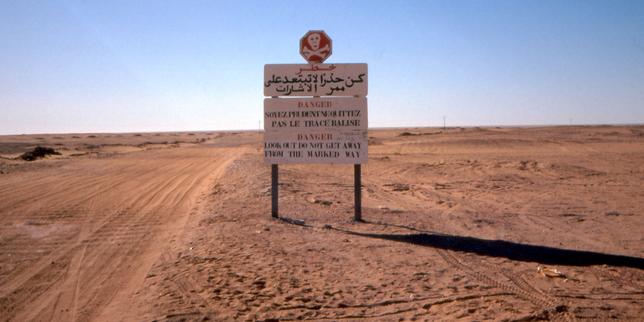
Every security analyst and regional commentator is currently applauding Algiers for greenlighting a maximum-security penitentiary deep in the Tanezrouft, the furnace-like wasteland of the southern Sahara. The consensus narrative sounds logical on the surface. Take the transnational drug traffickers pushing cocaine and cannabis through the Sahel, drop them into a landscape where the summer temperature hits 50 degrees Celsius, and watch the logistics of organized crime collapse under the weight of geographical isolation. It is the modern Alcatraz myth repackaged for North Africa.
The lazy consensus is wrong.
Building a high-profile concrete fortress in an uninhabited void does not dismantle a cartel network. It upgrades their marketing department. For decades working security logistics across the Maghreb and the Sahel, I have watched states throw billions at physical intimidation while missing the entire architecture of modern narcotics trafficking. Drug syndicates do not fear harsh terrain; they master it. They own the tracks, they buy the satellite comms, and they treat isolation as a natural moat against judicial oversight.
To understand why the Tanezrouft prison project is a strategic miscalculation, we have to look past the dramatic headlines and examine how contemporary cartel networks actually function.
The Geography of Supply Beats The Geography of Punishment
The Tanezrouft is famously known as the Land of Terror. It is a vast stretch of hyper-arid desert devoid of water, vegetation, and permanent settlements, historically used by trans-Saharan salt caravans and now heavily trafficked by fuel smugglers and drug couriers moving product from West Africa toward Europe via the Mediterranean coast.
When politicians pitch a desert dungeon, they rely on a medieval mindset: punishment through exposure. The assumption is that removing a kingpin from civilization and placing them in a brutal climate strips them of power. This ignores the reality of decentralized crime. Modern drug trafficking organizations are cellular, digital, and hyper-liquid. A boss sitting in a remote cell does not lose operational control if the state fails to secure the communications infrastructure surrounding him. In fact, history shows us that high-security isolation blocks often become universities for cartel networking, where disparate criminal elements merge into unified syndicates under the watchful, or corrupted, eyes of underpaid guards.
Imagine a scenario where a high-level smuggler is transferred to this new facility. Within weeks, the supply lines required to keep a modern prison operational—water tankers, food trucks, rotation of guards, maintenance crews—create a predictable economic ecosystem in the middle of nowhere. Cartels do not need to storm the prison walls. They simply infiltrate the supply chain that keeps the lights on. In environments where logistical support is scarce, the entity that controls the fuel and transport holds the real leverage over the garrison.
The Economic Illusion of Isolation
Governments love spectacles because optics move faster than investigations. Announcing a harsh desert prison signals strength to domestic voters and international partners alike. It creates an impression of decisive action against the cocaine pipelines flooding through the border zones.
Yet, follow the money. The capital expenditure required to build, supply, and secure a permanent penal colony in the Tanezrouft is astronomical. You are piping water, importing building materials, and paying hazard bonuses to security personnel. That capital could instead fund intelligence units, digital forensics, border informant networks, and systemic anti-corruption sweeps within the customs agencies that allow trucks to cross the border in the first place.
We are spending fortunes on the symptom while subsidizing the disease. Drug trafficking through the southern Algerian corridor survives because of porous borders, economic stagnation in border towns, and deep-pocketed logistics networks. A concrete box in the sand does not alter the profit margins of moving a ton of cocaine across an invisible border. If the profit on a single truckload clears millions of dollars, syndicates will gladly factor the risk of a desert prison into their operational overhead as a minor cost of doing business.
Why Border-Zone Prisons Empower The Corrupt
The deeper danger of the Tanezrouft project lies in the centralization of power. When you concentrate high-value prisoners in a remote outpost, you create a high-value target for local compromise.
Decentralized detention within populated judicial centers forces transparency. Trials happen in cities, lawyers are present, journalists can attend, and multiple bureaucratic layers handle the inmates. Move those same prisoners hundreds of kilometers into the desert, away from public view, and you shrink the circle of accountability. When a facility is isolated, the power dynamic shifts entirely to the commanders on the ground. A captain running a remote garrison with limited oversight becomes a lucrative target for cartel bribes. It is much easier to buy compliance when nobody is watching.
The state imagines it is building an impenetrable vault. What it is actually constructing is a black box where oversight goes to die.
Dismantling The Myth of Deterrence
Deterrence is the favorite buzzword of bureaucrats who have never run an operation on the ground. The threat of a harsh prison sentence has never stopped a desperate or greedy man from moving drugs. The risk-reward ratio in the transnational narcotics trade is too skewed for prison conditions to matter. When young men in impoverished border regions see zero formal economic prospects and a booming informal smuggling economy, the deterrent effect of a desert cell registers as zero.
If Algiers genuinely wants to break the back of the narcotics trade moving through its territory, it needs to stop building monuments to punishment and start dismantling the financial architecture. Seize the assets, track the offshore accounts, disrupt the informal hawala banking networks, and target the logistics fixers who keep the trucks moving.
A prison in the Tanezrouft is an expensive monument to wishful thinking. The cartels are laughing all the way to the coast, fueled by the distraction.