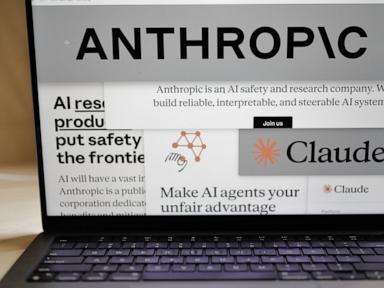
We built an open library for human communication and accidentally handed the keys to automated ghosts. For the past two decades, the web grew because real people typed out blog posts, argued on forums, uploaded blurry vacation photos, and built weird personal homepages. Today, that organic ecosystem is buckling under the weight of synthetic traffic and automated scraping bots. If you spend any time looking at server logs or analytics dashboards right now, you know something fundamental broke. Over half of all web traffic is no longer human. It is machine-to-machine chatter, automated crawlers harvesting text for large language models, and AI agents talking to other AI agents.
Panic headlines love to talk about doomsday scenarios where rogue algorithms shut down power grids or drain bank accounts overnight. That makes for great science fiction. But the real AI internet takeover is far more mundane and much more destructive. It is happening right now in search results, social media comment sections, and public repositories. The web isn't being destroyed by a sudden sci-fi explosion. It is slowly drowning in a quiet tide of synthetic noise.
The Mechanics of Synthetic Saturation
Look at what happened to search engines over the past few years. You type a question into Google or Bing, and instead of finding a thoughtful blog post written by a human who spent three days testing a camera or researching a niche hobby, you get a wall of AI-generated summaries built from scraped content. These summaries often mash together conflicting facts, hallucinate minor details, and strip away the original creator's attribution entirely.
This creates a brutal economic feedback loop. Independent writers and publishers find their ad revenue vanishing because readers never actually visit their sites anymore. Why click through when the search engine already gave you the synthesized answer? So, what do desperate website owners do? They start using artificial intelligence to pump out hundreds of low-quality articles daily just to game algorithmic rankings and capture whatever scraps of traffic remain.
The result is a digital ecosystem eating its own tail. Models train on internet data. That data gets polluted by machine-generated articles. Future models train on that polluted output, introducing structural degradation known as model collapse. We are rapidly approaching a point where AI systems are primarily learning from other AI systems, like photocopies of photocopies until the image becomes a muddy smudge.
The Myth of the Autonomous Overlord
Popular media loves portraying an AI internet takeover as a conscious coup. Machines wake up, calculate that humans are inefficient, and lock us out of our own digital infrastructure. That view misunderstands how power actually concentrates in tech. The real takeover is driven by corporate consolidation and economic incentives, not machine consciousness.
Big technology firms realized early on that owning the foundational models gives them absolute tollbooth control over the entire web. If you want your content seen, you have to pay the licensing fee or format it specifically for machine ingestion. Platforms are locking down their application programming interfaces, putting paywalls around public data, and forcing independent developers out in the cold.
Meanwhile, millions of low-effort automated content farms are flooding platforms with synthetic images, fake reviews, and algorithmically optimized outrage bait. Social media feeds are filling up with bot accounts arguing with other bot accounts about political talking points that never happened. Human users log in, feel a vague sense of alienation, and log off. We are standing in a digital ghost town where the neon signs are still buzzing, but nobody is actually home.
How Content Creation Actually Changes
If you write for a living or build things online, this shift changes the rules overnight. Traditional search engine optimization as we knew it is basically dead. When search engines answer queries directly via chat interfaces, ranking number one on a results page matters a whole lot less if nobody clicks the blue link.
Creators who survive this transition are abandoning open web distribution in favor of direct, trusted channels. Substack newsletters, private Discord communities, localized podcasts, and direct-to-audience relationships are replacing the open public square. People are craving authenticity because they can smell synthetic fakery from a mile away. When every corporate press release and product review sounds like it was generated by the exact same corporate prompt, genuine human flaws, messy opinions, and hard-earned personal experience become the ultimate luxury goods.
You can't fake twenty years of trial and error in a specific industry. You can't fake the scar tissue of a failed business or the genuine excitement of stumbling onto a brilliant design solution after three weeks of frustration. Automated systems can mimic the style of expertise, but they cannot replicate lived reality. That is where the real value lives now.
Protecting What Remains of the Open Web
Web administrators and server hosts are fighting back with aggressive rate-limiting, Cloudflare challenges, and strict robots.txt blocks. Major news organizations are suing model developers for copyright infringement, demanding billions in compensation for the training data that built modern chat interfaces. These legal battles will take years to settle, but the technical countermeasures are happening right now.
Website owners are actively poisoning their own public datasets. Tools exist that inject invisible pixel corruptions or linguistic traps into web pages, designed to scramble the understanding of automated scrapers without harming human readers. The open web is putting up barbed wire.
Yet, building walls around everything defeats the original promise of the internet as an interconnected global library. When every site requires a login, a CAPTCHA, or a subscription fee just to read a paragraph, the web stops being a public utility and becomes a collection of walled gardens controlled by a handful of gatekeepers.
Moving Forward Without the Panic
The anxiety surrounding an automated internet takeover stems from a fear of irrelevance. We built tools so powerful they threaten to render human labor obsolete in the digital sphere. But technology doesn't happen to us in a vacuum; we choose how to use it and how to protect our spaces.
Stop worrying about some cinematic sci-fi apocalypse where rogue servers take over the planet. Worry instead about the subtle degradation of our shared digital memory. Pay attention to where you get your information. Support independent creators who share actual work and real thoughts. Stop clicking on AI-generated listicles and synthetic fluff.
The internet won't disappear, but its character is shifting beneath our feet. What survives the transition will be smaller, weirder, and much more human. That is not a doomsday scenario. That is an opportunity to build something better from the wreckage of the old, automated machine.