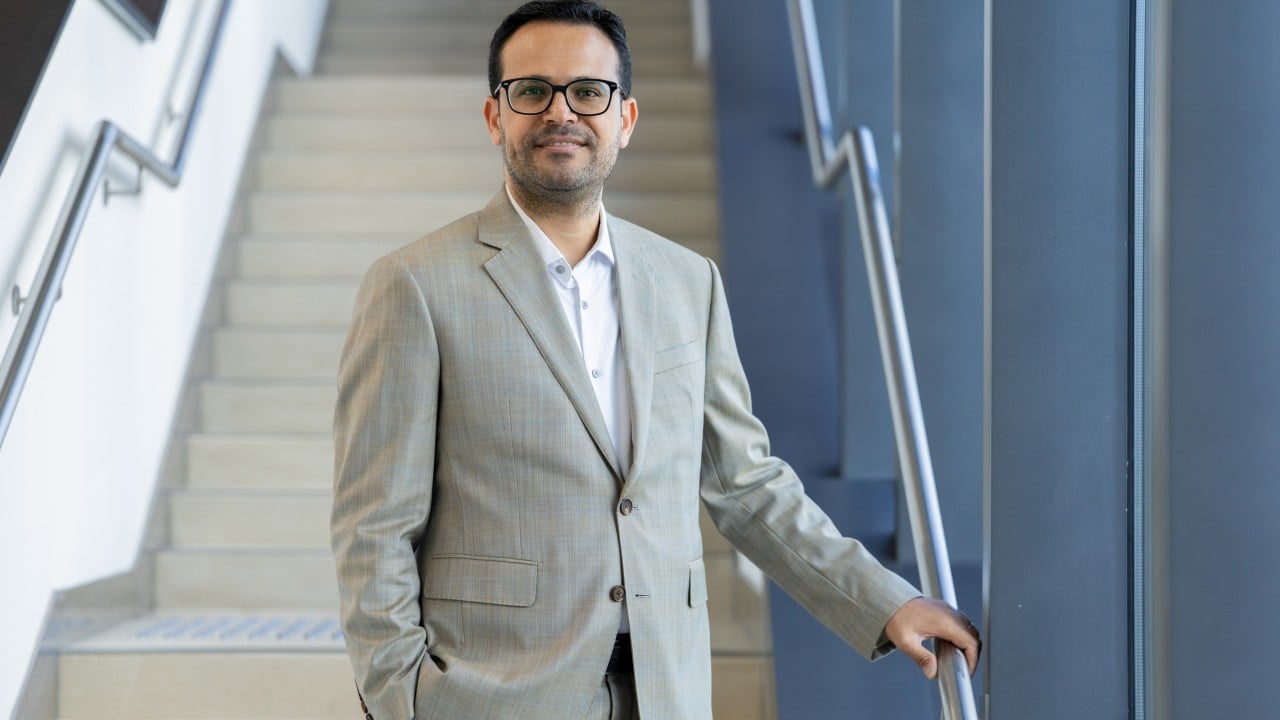
Bureaucracy does not bleed, but it leaves scars that last longer than shrapnel. When a healthcare professional survives a warzone only to run aground on administrative reef-building in a modern metropolis, the tragedy is rarely loud. It happens quietly in waiting rooms, accreditation offices, and narrow corridor offices where men in gray suits inspect paper diplomas with the suspicion of border guards.
The journey of a refugee clinician who transforms the trauma of Gaza into professorial authority in a foreign academic system is not an inspirational anecdote for a charity gala. It is an indictment of how modern credentialing treats human capital forged in crisis. For a more detailed analysis into similar topics, we recommend: this related article.
The Weight of the Credential Wall
Emergency medicine teaches triage under fire. It strips away the luxury of doubt. A trauma nurse operating in field hospitals under bombardment develops an instinct for survival and stabilization that textbooks cannot capture. Yet, when that same clinician crosses international borders, the currency of their lived experience is instantly devalued.
Regulatory bodies in affluent global hubs hide behind safety mandates. They demand redundant certifications, peer-reviewed validations from systems that have been bombed to rubble, and bureaucratic hoops designed to protect local labor markets rather than patient outcomes. For additional background on this issue, extensive reporting is available on Mayo Clinic.
We talk endlessly about global health shortages while actively suppressing the experienced hands sitting in our immigration queues. The obstacle course is not accidental. It is a filtering mechanism that prefers compliance over competence, ensuring that foreign-trained specialists must unlearn their autonomy before they are permitted to scrub in.
Translating Shrapnel Into Pedagogy
Classrooms in premier universities are sterile environments. They operate on hypotheticals, ethical case studies, and clinical trials conducted in climate-controlled laboratories. When a professor arrives with firsthand knowledge of blast injuries, mass casualty sorting in resource-starved basements, and the psychological corrosion of working without reliable electricity, the nature of education changes.
This is the core tension of the academic refugee. The institution wants the prestige of their survival story for marketing brochures, but it resists the disruption of their institutional habits. True pedagogy drawn from conflict zones demands a reckoning with systemic failure. It forces students to confront the reality that medicine is frequently practiced at the intersection of politics and poverty.
When this perspective enters the lecture hall, it strips away the sanitized veneer of healthcare administration. It forces students to look at resource allocation not as an abstract economic model, but as a direct choice between who lives and who is left in the corridor.
The Politics of Recognition
No one rises to a professorship in a foreign system without compromise. The road is littered with administrative gaslighting, where qualifications earned under fire are treated as provisional until validated by local gatekeepers.
This dynamic creates a peculiar form of exile. You are simultaneously too valuable to ignore and too disruptive to fully integrate. The system extracts your labor, drains your clinical insights for research papers, and simultaneously questions your accent during faculty meetings.
We must stop framing these individual ascents as triumphant fairy tales. Every obstacle-laden road that takes a Gaza-trained nurse a decade to climb represents a systemic failure to deploy vital human expertise when and where it is most urgently needed.
The real story is not how well the individual adapted to our rules. It is why our rules were written to keep them out in the first place.


