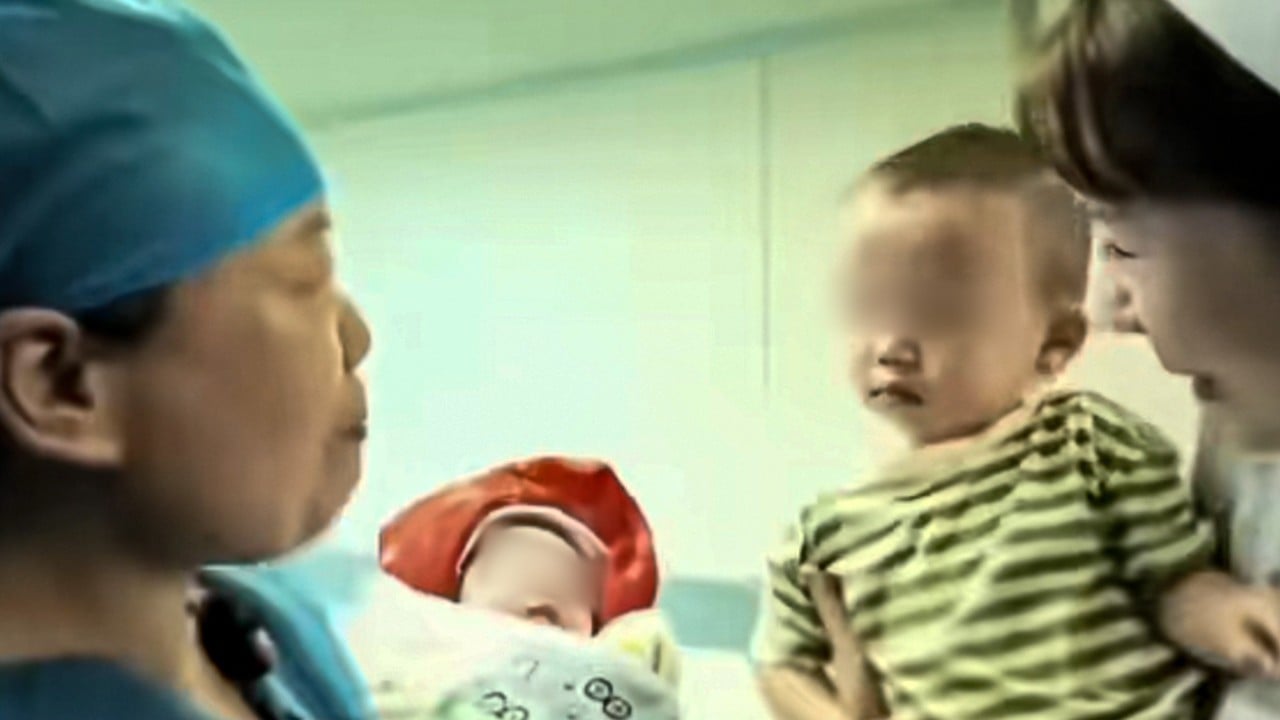
A sixty year old woman in China recently gave birth to her second child in two years, thrusting the complex realities of advanced maternal age back into the public consciousness. This rare medical event occurred via assisted reproductive technology, bypassing the biological clock that shuttered natural conception decades prior. Society reacts with a mixture of awe, horror, and moral outrage. Commentators online debate the ethics of raising an infant into one's seventies and eighties. Yet, focusing solely on the shock value of the age misses the larger economic and demographic forces driving these unprecedented family planning choices.
Advanced reproductive technology has stretched biological limits into entirely new territory. Doctors in major medical hubs across Beijing and Shanghai routinely encounter patients well past standard fertility windows seeking intervention. For decades, China enforced strict demographic controls via population policies that limited family size. Today, the state reverses course, offering financial incentives and tax breaks to encourage higher birth rates. This whiplash leaves older citizens caught between lifelong conditioning and modern reproductive possibilities.
The physiological reality of pregnancy at sixty remains intensely demanding. Medical complications scale upward with every advancing year. Gestational diabetes, hypertension, and placental abnormalities present severe risks to both mother and child. Yet, specialized clinics continue to push the boundaries of endocrinology and obstetrics. Hormonal treatments and donor eggs make gestation technically feasible long after natural menopause.
Behind these medical milestones lies a profound demographic crisis. China faces a shrinking workforce and a rapidly aging population. Decades of restrictive family policies created an inverted pyramid where fewer young workers support a massive cohort of retirees. Families experience immense pressure to produce offspring, sometimes driving grieving parents who lost older children to seek replacement pregnancies through modern medicine.
Social safety nets in the region offer little comfort to aging parents. Raising a child requires sustained financial investment through education, healthcare, and daily sustenance. A parent turning eighty while their child enters high school faces distinct vulnerabilities. Peer groups for children born to elderly parents often lack traditional extended family structures, such as active grandparents, placing the entire burden of care squarely on aging shoulders.
Public discourse often casts judgment on the parents rather than examining the systemic failures that make such desperate measures rational to some individuals. When social security provisions fall short and cultural expectations around family lineage remain absolute, individuals make extreme choices. The medical establishment holds the technical capacity to facilitate these pregnancies, but the ethical framework governing these procedures lags far behind technological capability.
Medical ethicists point out that reproductive freedom must be weighed against the welfare of the resulting child. Orphans of advanced age parents face unique emotional and financial hardships when caregivers pass away prematurely. Clinics often operate in regulatory gray areas, balancing commercial incentives against patient health risks.
Ultimately, this extraordinary birth serves as a symptom of a much deeper societal transition. As medical science marches forward, human biology struggles to keep pace without severe consequences. The conversation must move beyond moralizing headlines to address the structural pressures pushing citizens to extremes. Until the underlying economic and social anxieties are resolved, technological workarounds will continue to generate headlines, and exceptional cases will test the limits of what society considers acceptable.