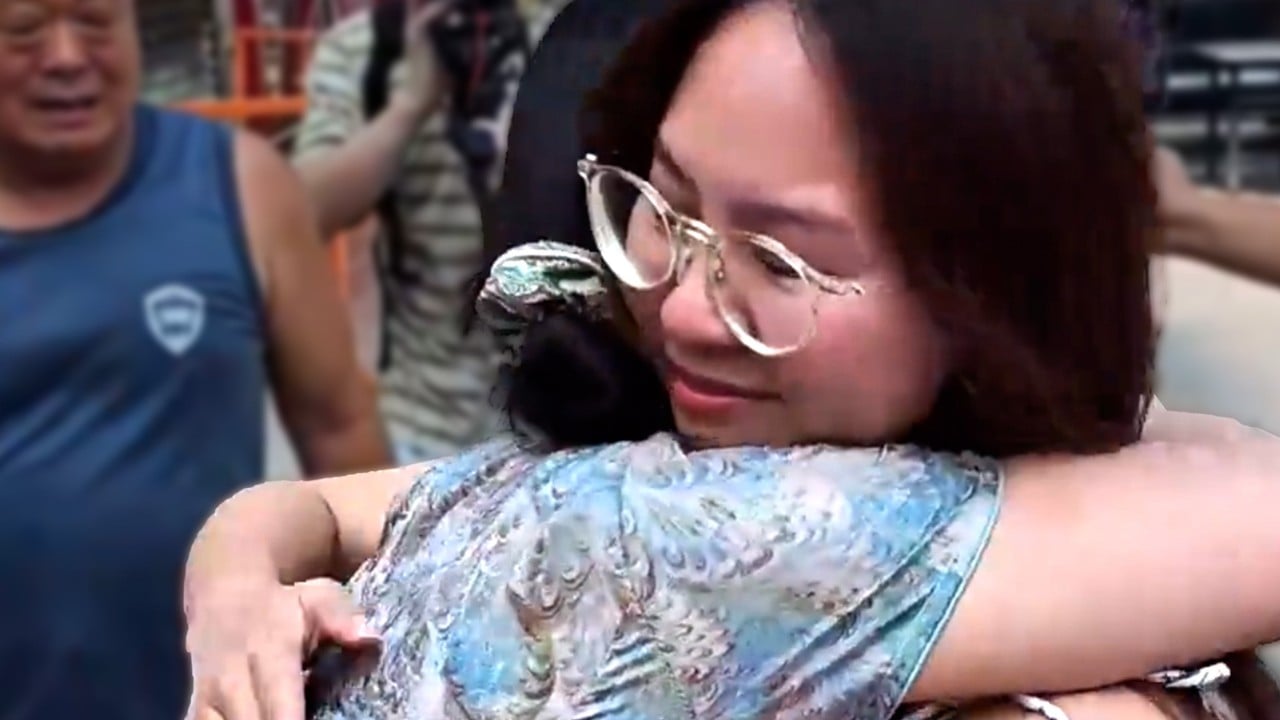
You grow up thousands of miles away from where you were born, knowing only fragments of your origin story. For many international adoptees, that distance isn't just geographical. It's a quiet, persistent hum in the background of life. When a young woman adopted by a Swedish family as an infant recently traveled back to Anhui province to find her biological relatives, it sparked widespread conversation. But this isn't just a feel-good human interest story. It's a complex look at identity, modern DNA tracking, and the reality of cross-cultural adoption decades down the line.
Let's look at what actually happened in this case. Born in Huaiyuan county in 2003, the woman—known publicly as Gao—was placed in a welfare home after a chaotic sequence involving a local midwife and subsequent abandonment near a stadium. Her adoptive parents in Sweden didn't hide her background. They talked about it openly, supported her curiosity, and backed her completely when she decided to search. That open-communication approach is precisely what child psychologists recommend, yet many families still struggle with it.
Breaking Down the DNA and Detective Work
The mechanics of finding biological family members have shifted dramatically over the last ten years. Gone are the days of pinning flyers to telephone poles or relying solely on vague memories.
- Database matching: Organizations like "Baby Come Home" use centralized Chinese non-profit networks and law enforcement DNA databases.
- Speed of discovery: Gao registered her information in March, and genetic matches identified her biological relatives just two months later.
- The physical return: By late July, she stood face-to-face with her birth family, greeted by a bilingual banner and traditional gifts.
When you look at the public reaction on social media, you see a sharp divide. Some online commentators questioned why anyone would seek out parents who relinquished them as infants. That perspective misses the point entirely. Human curiosity doesn't switch off just because you grew up on a different continent. Gao put it simply: she made peace with her past, noting that knowing your roots is a fundamental part of understanding yourself.
The Changing Landscape of International Adoption
This emotional homecoming happens against a backdrop of sweeping policy shifts. China halted almost all international adoptions in 2024, restricting exceptions tightly to blood relatives. For decades, tens of thousands of children found homes overseas following the implementation of formal procedures in the early 1990s.
Those generations are now growing up, entering adulthood, and asking difficult questions. They aren't looking to place blame or blow up their lives. They're looking for medical histories, facial resemblances, and closure. Her biological parents gifted her a jade necklace and dressed her in a red qipao, while her Swedish parents maintained a supportive distance that honors every part of her upbringing.
If you're supporting an adoptee or navigating cross-border roots research yourself, remember that the emotional weight is heavy. Patience, therapy, and a total lack of judgment are required. You don't have to choose between the family who raised you and the culture you were born into. You can carry both.
Gao Jianquan emotional return to China
This video covers the incredible journey of an international adoptee returning to her birthplace to reconnect with her biological family and reconcile her dual identities.

.png?itok=1mb05mKJ)

