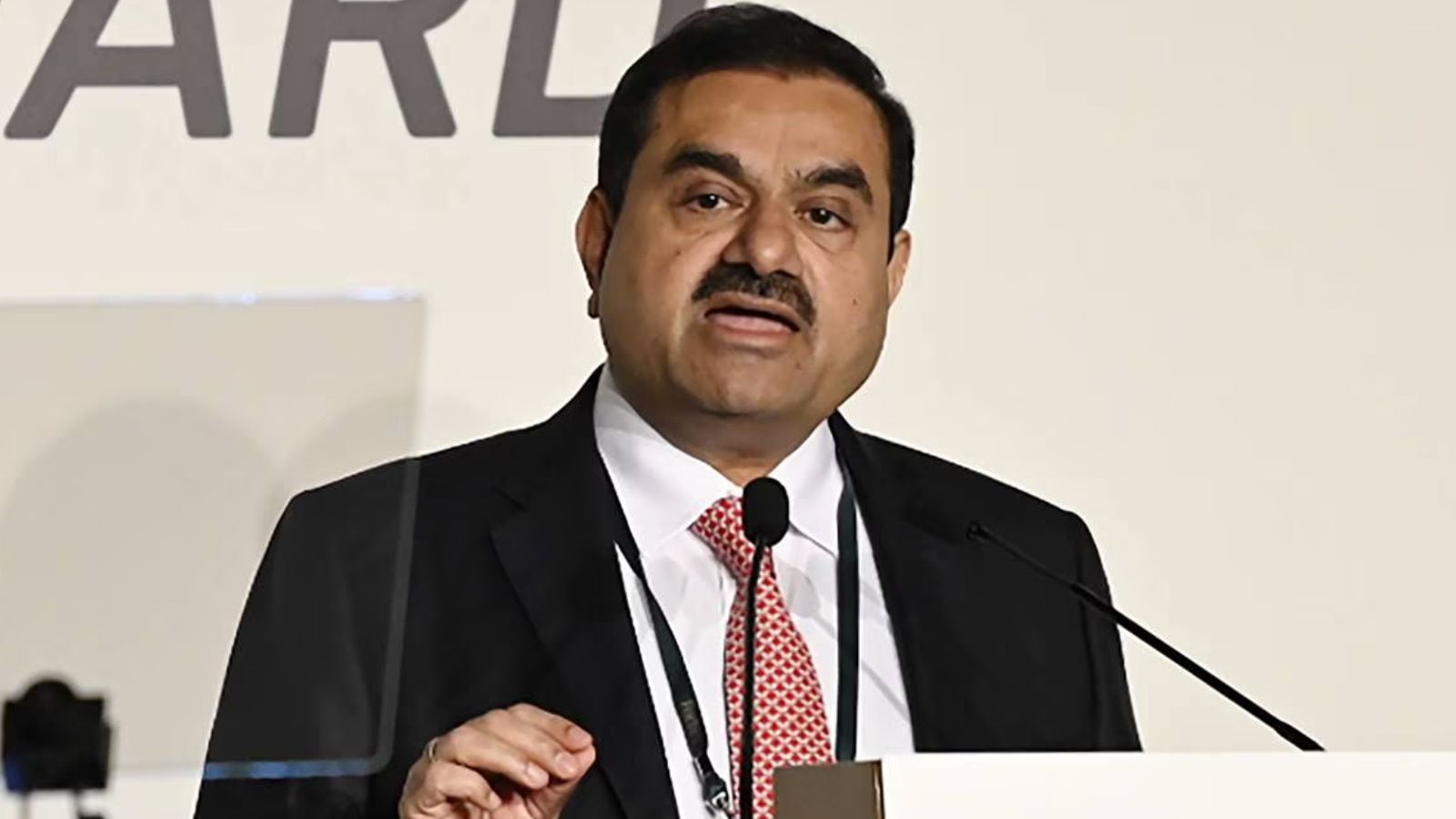
The United States Department of Justice is preparing to drop criminal fraud and bribery charges against Gautam Adani, effectively ending a high-stakes legal standoff that threatened to derail Asia's most aggressive industrial empire. After eighteen months of global scrutiny, federal prosecutors are shifting toward a resolution that could see the criminal indictment dismissed as early as this week. The Securities and Exchange Commission (SEC) is simultaneously moving to settle its parallel civil case, likely exchanging a looming trial for a significant monetary penalty. This reversal marks a stunning victory for the Indian billionaire and a sobering lesson in the limits of extraterritorial legal reach.
The Presentation and the Promise
The momentum shifted during a closed-door meeting in Washington last month. Adani’s defense team, led by veteran litigator Robert J. Giuffra Jr.—a man known for representing powerful figures ranging from Wall Street titans to Donald Trump—unpacked a 100-slide rebuttal that fundamentally challenged the American government’s standing. The argument was simple: the U.S. lacked the jurisdiction to police transactions between Indian entities on Indian soil, regardless of whether those companies tapped into American capital markets. You might also find this connected coverage useful: Stop Obsessing Over Whether Kevin Warsh Will Hike Rates Today.
Hidden within that presentation was a piece of geopolitical leverage that had little to do with the law. Adani’s representatives suggested the conglomerate was prepared to invest $10 billion into the U.S. economy, a move projected to create 15,000 jobs. While prosecutors publicly maintained that investment promises do not dictate justice, the optics of a multi-billion dollar domestic stimulus package are impossible to ignore in a volatile political climate.
Jurisdiction and the Ghost of Harm
A central pillar of the defense centered on the actual impact of the alleged fraud. The DoJ and SEC originally claimed that Adani and his associates conspired to pay roughly $250 million in bribes to Indian officials to secure massive solar energy contracts. They alleged these bribes were concealed from U.S. investors when Adani Green Energy raised billions in the bond market. As extensively documented in detailed coverage by Harvard Business Review, the results are worth noting.
However, the defense highlighted a critical fact: the bonds in question were not listed on U.S. exchanges. They were issued under specific exemptions to sophisticated institutional investors and were fully repaid, with interest, by 2024.
- The "No Victim" Defense: If the investors were paid back in full, where is the financial harm?
- Extraterritorial Overreach: The defense argued the SEC was attempting to act as a global policeman for activities that occurred entirely outside the United States.
- Lack of Direct Evidence: Lawyers contended that the government could not directly link Gautam Adani to the specific approval of bribe payments or fraudulent statements in bond documents.
The Cost of Settlement
Dropping the criminal charges does not mean the Adani Group walks away for free. The expected settlement with the SEC will likely involve a substantial fine, a common "exit ramp" for corporations looking to scrub their records without admitting guilt. This allows the U.S. government to claim a win for regulatory oversight while avoiding a messy, protracted trial that would require proving "Numero Uno"—the code name allegedly used for Adani in internal communications—personally directed a bribery scheme.
For the Adani Group, the price of a fine is negligible compared to the cost of being locked out of the global financial system. The conglomerate operates a vast network of ports, airports, and energy grids. Its ability to refinance debt and fund its transition to green energy depends entirely on international trust.
Geopolitical Realities
The timing of this withdrawal suggests a broader realization of India’s role as a strategic partner. Pursuing the chairman of one of India’s most critical infrastructure groups created a diplomatic friction point. With Adani’s ports handling a significant portion of India's trade and his energy firms leading the nation's "Green Revolution," a total collapse of the group was never in the interest of regional stability.
The move signifies a shift back to business as usual. By resolving these charges, the Adani Group regains its standing in New York and London, clearing the path for its next phase of expansion. The message to the market is clear: in the world of high finance and higher politics, jurisdiction is often as flexible as the need for investment.
The U.S. government took its shot, but the "Big Man" had a better shield.


..jpg)