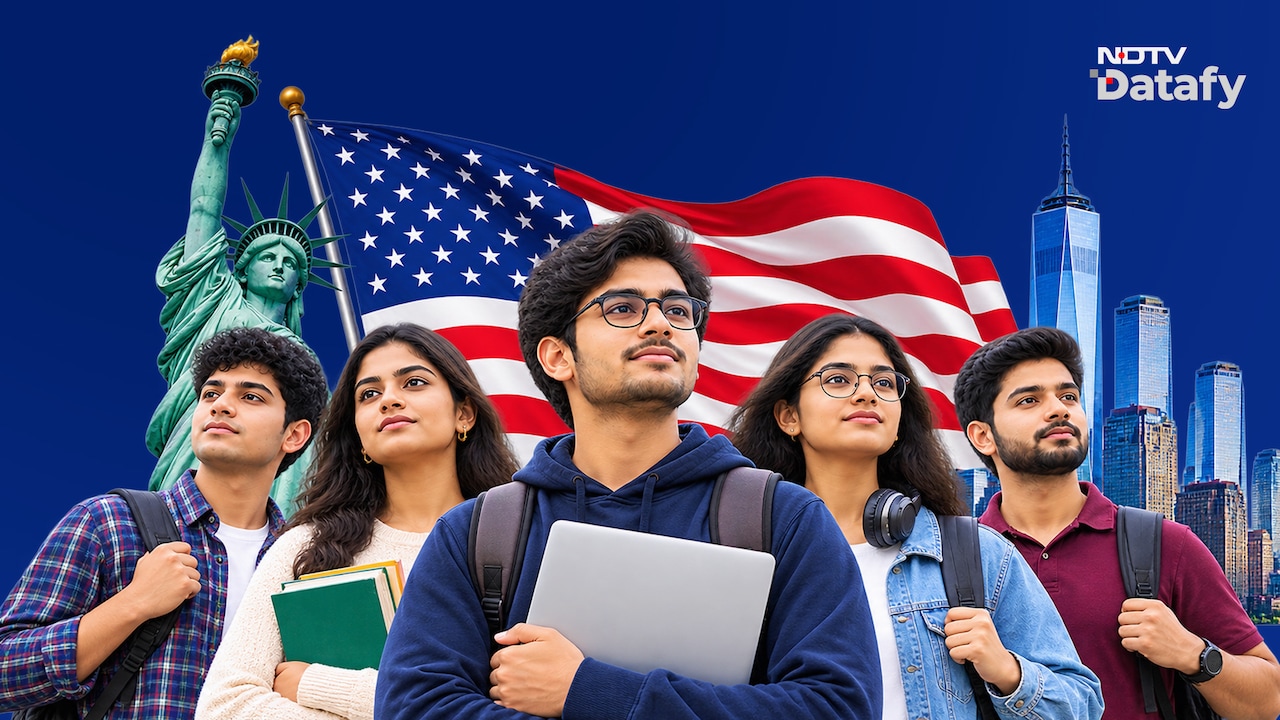
Indian students have carried American graduate programs for the past decade, yet active enrollment just dropped by 13.5% because of relentless visa bottlenecks. That single statistic should rattle every university provost from Boston to Berkeley.
You probably heard that international education rebounded after the pandemic. It did for a while. Then consular backlogs, stricter adjudication under Section 214(b), and tightening work authorization rules collided all at once. If you're planning to study in the United States, or advising someone who is, ignoring this drop is a massive mistake.
What the 13.5% Drop in Active Indian Students Actually Means
Let's look at the numbers without the PR spin from university admissions offices. According to data tracked through the Student and Exchange Visitor Information System (SEVIS) and analyzed by immigration policy researchers, active Indian student records took a sharp 13.5% hit. This isn't just a minor seasonal dip.
For years, India overtook China as the largest sender of international students to the United States. The Institute of International Education (IIE) Open Doors report previously celebrated record-breaking Indian enrollment, driven heavily by STEM master's programs. Now, that pipeline is narrowing fast.
Why does a 13.5% contraction matter so much? Because Indian students don't just fill empty seats. They fund entire engineering and computer science departments through full-tuition payments, and they keep university research labs running. When active records fall by over a tenth, entire graduate cohorts shrink overnight.
Why US Visa Issues Are Driving Indian Students Away
Most people assume students simply stopped applying to American universities. That's completely false. Application volume from India remains high, yet the bottleneck happens between receiving an admission letter and actually stepping onto a plane.
Here's what is actually blocking students at the gate:
- Brutal F-1 Visa Refusal Rates. Consular officers have grown far more aggressive with Section 214(b) denials, which require applicants to prove strong ties to their home country and non-immigrant intent. Even students with legitimate admissions to accredited universities are getting rejected in two-minute interviews.
- Administrative Processing Black Holes. Getting hit with a 221(g) slip used to be a minor speed bump. Now, security clearances and background checks routinely drag on for six to nine months, forcing students to defer admission multiple times until they simply give up.
- Appointment Scarcity in Major Consulates. Despite efforts by the US Mission in India to open extra slots in New Delhi, Mumbai, Hyderabad, Chennai, and Kolkata, peak-season wait times still push students past their program start dates.
Honestly, the system feels broken when a student pays thousands of dollars in SEVIS fees, tuition deposits, and flight bookings only to get turned away over a vague suspicion of immigrant intent.
The Hidden Financial Pressure Behind the Visa Bottlenecks
Visa officers aren't the only obstacle. The financial math of studying in the US no longer works the way it did five years ago, and consular officers know it.
When a student takes out an unsecured education loan in Indian rupees at 11% to 13% interest to pay $60,000 a year in tuition and living expenses, the pressure to stay in the US and earn dollars becomes obvious. Consular officers look closely at funding sources. If your financial documentation looks shaky, or if your family's income doesn't logically support a massive dollar-denominated debt, your F-1 visa chances plummet.
Then there's the post-graduation reality. Students used to bank on three years of Optional Practical Training (OPT) for STEM degrees, followed by a smooth transition to an H-1B visa. Today, the H-1B lottery remains fiercely competitive, and tech layoffs across the US have made entry-level sponsorship much harder to secure. Word travels fast on WhatsApp groups and Reddit threads in Hyderabad and Bengaluru. Prospective students see their seniors struggling to land sponsored roles, and they're reconsidering the gamble.
How Universities and Other Countries Are Reacting
American universities are caught in a bind. They rely heavily on international tuition, yet they have zero control over State Department consular decisions. Some institutions have started offering flexible deferral policies or hybrid first-semester options so students don't lose an entire academic year while waiting for visa appointments. Others are quietly expanding partnerships with Indian institutions to offer dual-degree programs.
Meanwhile, rival destinations are gladly scooping up the talent America is turning away.
Germany has seen a steady surge in Indian students drawn by low or zero tuition fees at public universities and clearer post-study work pathways. The United Kingdom, despite tightening its rules on student dependents, remains a top choice for one-year master's programs that cut living costs in half. Even countries like Ireland, Australia, and Singapore are aggressively courting Indian STEM applicants with predictable visa timelines.
It's a classic market shift. Talent goes where it's welcomed and processed efficiently.
What You Should Do If You Are Applying to US Universities Now
If you still have your heart set on a US degree, you can't rely on outdated advice from seniors who went five years ago. You need to treat the visa process with the same rigor as your university applications.
- Apply Early and Lock Your I-20 Immediately. Don't wait until April to finalize your university choice. Aim for early action or priority deadlines so you have your Form I-20 in hand by February or March, giving yourself maximum runway for visa scheduling.
- Audit Your Financial Paperwork Ruthlessly. Liquid funds, transparent tax returns, and clear loan sanction letters matter more than ever. Avoid last-minute large deposits into bank accounts—consular officers spot borrowed show-money immediately and treat it as a red flag.
- Prepare a Concise, Honest Interview Narrative. Stop memorizing robotic coaching-center scripts. Be ready to explain in plain English why you chose your specific university, how the curriculum fits your career goals in India, and exactly who is paying for your education.
- Build a Parallel Backup Plan. Never put all your money and hopes into a single US intake. Submit parallel applications to strong programs in Europe or Asia whose deadlines align with US visa decision windows, ensuring you don't lose an entire year if consular delays strike.
The 13.5% drop in active Indian students isn't a temporary statistical quirk—it's a clear warning sign that the old pipeline to American higher education is fractured, and only applicants who plan around visa friction will make it through.