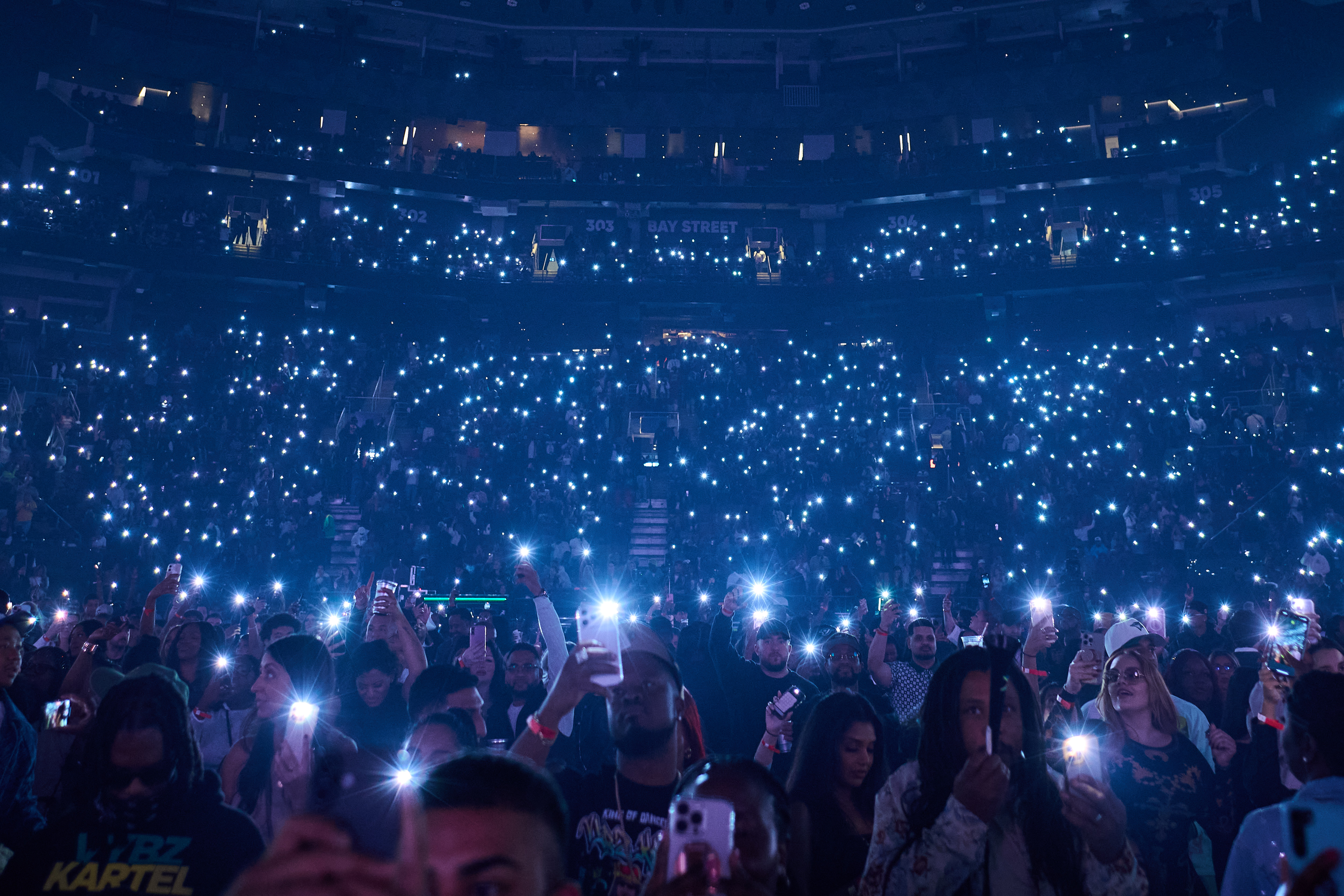
The screen stayed white for exactly four seconds. In the world of high-stakes concert ticketing, those four seconds are an eternity. They are the gap between a memory that lasts a lifetime and a credit card balance that feels like a prison sentence. Sarah, a nurse from London, Ontario, sat at her kitchen table with three different devices open. Her thumb hovered over the refresh button. She wasn't trying to buy a private island or a vintage Ferrari. She just wanted to take her daughter to see a pop star whose songs had become the soundtrack to their morning drives to school.
When the page finally loaded, the price for two seats in the lower bowl wasn’t the $149 advertised on the tour poster. It was $840. Per ticket. Read more on a similar issue: this related article.
This isn't an anomaly. It is the calculated, algorithmic reality of the modern "fan experience." For years, the act of seeing live music or a playoff hockey game in Ontario has shifted from a cultural rite of passage into a luxury asset class. The secondary market—a polite term for digital scalping—has become a parasite that often earns more from a show than the artists on stage or the technicians rigging the lights.
But the provincial government is finally stepping into the arena. Further reporting by GQ highlights related views on the subject.
The Invisible Hands in Your Wallet
The frustration Sarah felt wasn't just about a lack of supply. It was about a rigged system. When a major tour is announced, specialized software—"bots"—can vacuum up thousands of tickets in the milliseconds after they go live. These tickets then reappear almost instantly on resale sites with a markup that would make a payday lender blush.
The Ford government’s new legislative push seeks to dismantle this machinery. The core of the plan is deceptively simple: a ban on reselling tickets at a price higher than their original face value. If you bought a ticket for $100, you cannot legally list it for $500.
To understand why this matters, we have to look at the anatomy of a "speculative listing." Often, the tickets you see on resale sites for thousands of dollars aren't even in the seller's possession yet. They are selling a promise, betting that they can use their bots to snag a seat later and pocket the massive spread. It’s high-frequency trading, but instead of oil futures or tech stocks, the commodity is a teenager's first concert.
The Transparency Deficit
Beyond the price cap, the new rules target the "black box" of ticket allocations. Have you ever wondered why a stadium with 20,000 seats seems to "sell out" in three minutes, yet only a fraction of those seats ever appeared to be available to the general public?
That is because of the "holdback." A significant portion of tickets are often diverted to corporate sponsors, credit card "presales," and industry insiders before the public even gets a chance. The new legislation aims to force promoters to disclose exactly how many tickets are actually available to the average person.
Imagine walking into a grocery store where 80% of the bread is hidden in the back for "preferred members," while the remaining 20% is auctioned off to the highest bidder in the parking lot. You would call it a scam. In the entertainment industry, we've spent a decade calling it "market dynamics."
The Counter-Argument and the Risk
There is a school of thought that suggests price caps don't work. Critics of the ban argue that it will simply push the scalpers further into the shadows—into unverified Facebook groups, Craigslist ads, and "guy-in-a-trench-coat" interactions outside the venue. They argue that if someone is willing to pay $2,000 for a seat, the market should allow it.
But this ignores the social contract of public assembly.
Arenas and stadiums are often built with significant help from public tax dollars. The cultural life of a province belongs to its people, not just the subset of people with the highest disposable income. When a local family is priced out of seeing the Maple Leafs or a touring theater production, the "market" has failed its primary purpose: connection.
Consider the ripple effect. When Sarah spends $1,600 on two tickets, she isn't spending that money at the local restaurant before the show. She isn't buying the merchandise at the venue. She isn't taking a weekend trip to a nearby city. The scalper, often operating from an office in a different time zone, drains that capital out of the local economy entirely.
The Tech Arms Race
The legislation also takes aim at the bots themselves. While previous attempts to "ban" bots have been largely symbolic—like trying to ban the wind—this new approach focuses on the platforms that facilitate the sales. By holding the resale sites accountable for the listings they host, the government is trying to cut off the oxygen to the fire.
If a site cannot profit from a $1,000 markup, the incentive to use a bot to snatch the ticket disappears.
However, the technology is slippery. As soon as a firewall is built, someone writes a code to bypass it. This is why the human element of the legislation is the most vital part. It empowers the consumer to report price gouging and creates a clear legal standard for what constitutes a fair sale. It shifts the "buyer beware" burden back onto the industry.
Why This Time Might Be Different
Ontario isn't the first jurisdiction to try this, but the timing is unique. We are living through a period of unprecedented "fun-flation." The cost of living has squeezed the middle class to a breaking point, making the predatory nature of ticket markups feel less like a nuisance and more like an insult.
There is a psychological toll to being outbid by a computer. It creates a sense of alienation from the things we love. When you stand in a crowd and look at the empty seat next to you—a seat that stayed empty because a scalper held out for a price no one could pay—you realize the system is broken.
The Ghost in the Front Row
The most tragic part of the current system isn't the person who pays too much. It’s the empty chair. Every time a ticket is held for ransom and remains unsold, a piece of the event's energy dies. The artist looks out at a "sold out" crowd and sees gaps in the front rows. Those gaps are the ghosts of fans who wanted to be there but were out-calculated by an algorithm.
The Ford government’s plan isn't a silver bullet. It won't make every concert affordable, and it won't magically create more seats in a crowded theater. But it does something essential: it re-establishes the idea that a ticket is an invitation to an experience, not a chip in a casino.
Sarah didn't end up buying those $840 tickets. She closed her laptop, walked into the living room, and had to explain to her daughter why they wouldn't be going. It was a small heartbreak, one of thousands happening across the province every week.
Laws are often discussed in the abstract—clauses, amendments, and regulatory frameworks. But at their core, they are about who gets to be in the room. They are about whether we want our culture to be a shared experience or a gated community. By capping the price, the province is betting that the real value of a ticket isn't the number printed on it, but the person sitting in the seat.
The lights dim. The roar of the crowd begins. Somewhere in the back, a kid who got a ticket at face value is about to have their life changed. That, and only that, is what the industry was built for.