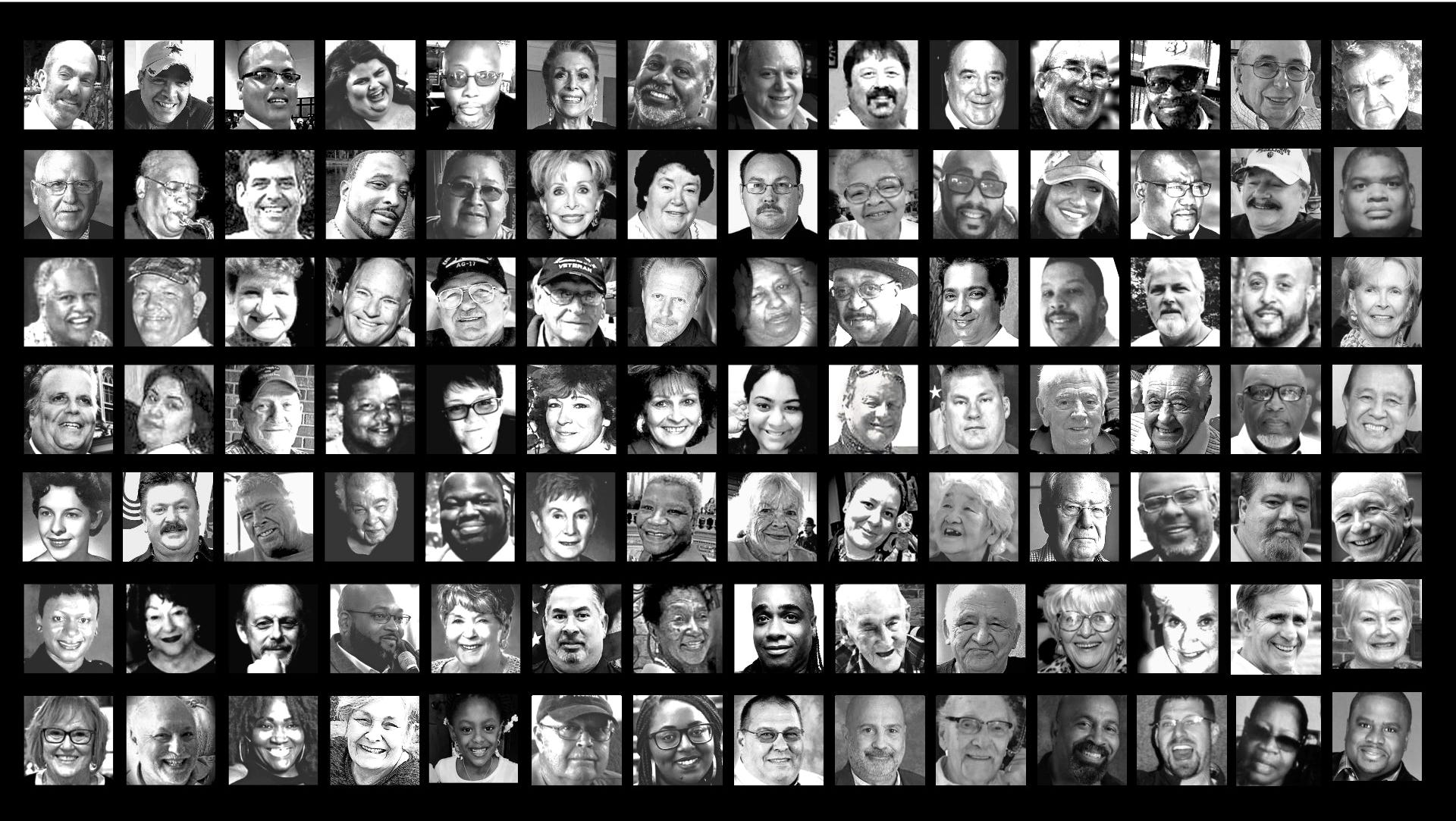
Records show nearly 8,000 people died or went missing during migration attempts in 2025. That isn't just a statistic. It’s a massive failure of global policy. When you look at the raw data coming from the International Organization for Migration (IOM), the numbers tell a story of desperation that hasn't slowed down despite tighter borders. People are dying in deserts, drowning in the Mediterranean, and disappearing in dense jungles because they feel they've got no other choice. It's a grim reality that most of us only see in a three-minute news segment before moving on with our day.
Why the 2025 Migration Death Toll Is So High
Most people think migration is about people looking for a better paycheck. It's more complicated. In 2025, we saw a perfect storm of climate disasters, localized wars, and economic collapses that pushed families over the edge. These aren't just single men traveling light. We're seeing more children and elderly people on these trails than in previous decades.
The Mediterranean remains the deadliest stretch of water on the planet. I've tracked these reports for years, and the pattern is sickeningly predictable. Smugglers use boats that shouldn't even be in a backyard pond, let alone the open sea. When those boats capsize, the chances of rescue are slim because search and rescue operations have been scaled back or caught up in legal red tape.
Governments aren't making it easier. By closing off "safe" routes, they're funneling people into the hands of cartels and human traffickers. It’s a simple supply and demand issue. If you block the front door, people will try the basement window, even if it's on fire.
The Darien Gap and the American Route
South and Central America saw a massive spike in 2025. The Darien Gap, a roadless stretch of jungle between Colombia and Panama, has become a graveyard. You’re dealing with venomous snakes, flash floods, and criminal gangs who see migrants as nothing more than walking ATMs.
I've talked to researchers who’ve spent time at the edges of this jungle. They describe a scene of total lawlessness. People run out of food. They drink contaminated water and get sick. If you can't keep up with the group, you're left behind. In 2025, the number of "unaccounted for" individuals in this region skyrocketed. This usually means they died in the jungle and their bodies will never be recovered.
It doesn't stop once they get through the Gap. The journey through Mexico toward the U.S. border involves riding on top of freight trains or being packed into the back of sweltering semi-trucks. One mechanical failure or a dishonest driver leads to a mass casualty event. We saw it multiple times in 2025.
Fatalities in the Mediterranean and Beyond
The Central Mediterranean route is a meat grinder. According to IOM's Missing Migrants Project, the majority of the 8,000 deaths in 2025 occurred here.
- Unseaworthy Vessels: Rubber dinghies and rusted fishing boats are packed with three times their capacity.
- Delayed Response: Commercial ships are often hesitant to pick up migrants because they don't know if they'll be allowed to dock.
- Weather Patterns: 2025 saw unpredictable storms that caught many of these fragile boats off guard.
Africa also saw thousands of deaths, though many go unrecorded. Crossing the Sahara is just as dangerous as crossing the sea. If a truck breaks down in the middle of the desert, it’s a death sentence. There’s no cell service. There’s no shade. There’s just the heat. We don't have exact numbers for the Sahara because bodies are buried by shifting sands before anyone finds them. The 8,000 figure is actually a conservative estimate. The real number is likely much higher.
Why Border Walls Don't Save Lives
There’s a common misconception that tougher border security prevents migration. It doesn't. It just makes the routes more dangerous. When you put up a wall or a fence, you don't change the reason the person left their home. You just change the price the smuggler charges to get around it.
In 2025, we saw countries in Europe and North America spend billions on surveillance and barriers. Yet, the death toll keeps climbing. It's a disconnect between political optics and human reality. If someone is fleeing a gang that wants to kill them or a farm that can no longer grow food, a fence isn't a deterrent. It’s a hurdle.
The traffickers are the only ones winning. They’ve turned migration into a multi-billion dollar industry. They don't care if the "client" makes it to the destination as long as the fee is paid upfront.
What the Data Misses
Data points don't capture the psychological toll. Every one of those 8,000 people had a family waiting for a phone call that never came. In many cultures, the "ambiguous loss"—not knowing if your loved one is dead or alive—is worse than the death itself. It leaves families in a state of permanent grief, unable to move on or settle estates.
Identification is another nightmare. Most migrants don't carry passports to avoid being deported if they're caught. When a body is found, there’s often no way to tell who it is. DNA databases are being used more frequently, but they’re expensive and slow. Organizations like the Red Cross work tirelessly to reconnect families, but the scale of the 2025 crisis overwhelmed them.
Changing the Narrative on Migration
Stop looking at this as a "migrant crisis" and start looking at it as a human rights crisis. The 8,000 deaths in 2025 represent a loss of human potential. These were workers, parents, and children.
We need to push for realistic policies. That means expanding legal pathways for work and asylum so people don't have to get on a leaky boat in the middle of the night. It also means addressing the "push factors" like climate change and regional instability at their source.
If you want to help, start by supporting organizations that actually do the work on the ground. Groups like Doctors Without Borders (MSF) and the International Rescue Committee (IRC) provide medical care and legal aid to those on the move. They're often the only thing standing between a migrant and a statistic.
Stay informed. Don't let the 8,000 number become just another headline you scroll past. Demand that your local representatives treat migration as a policy challenge to be solved rather than a threat to be feared. The blood is on the hands of every government that chooses walls over water and fences over fundamental rights. Pay attention to the updates from the IOM and UNHCR throughout 2026. This isn't going away. It's getting worse.