The Price of a Tooth
A throbbing molar does not care about borders.
It starts as a faint whisper behind your back teeth. A dull ache when you sip cold water. Within three days, it becomes a pulsing rhythm that aligns perfectly with your heartbeat. By day five, you are staring at a local dental quote in Hong Kong that costs more than a month's rent. For another perspective, check out: this related article.
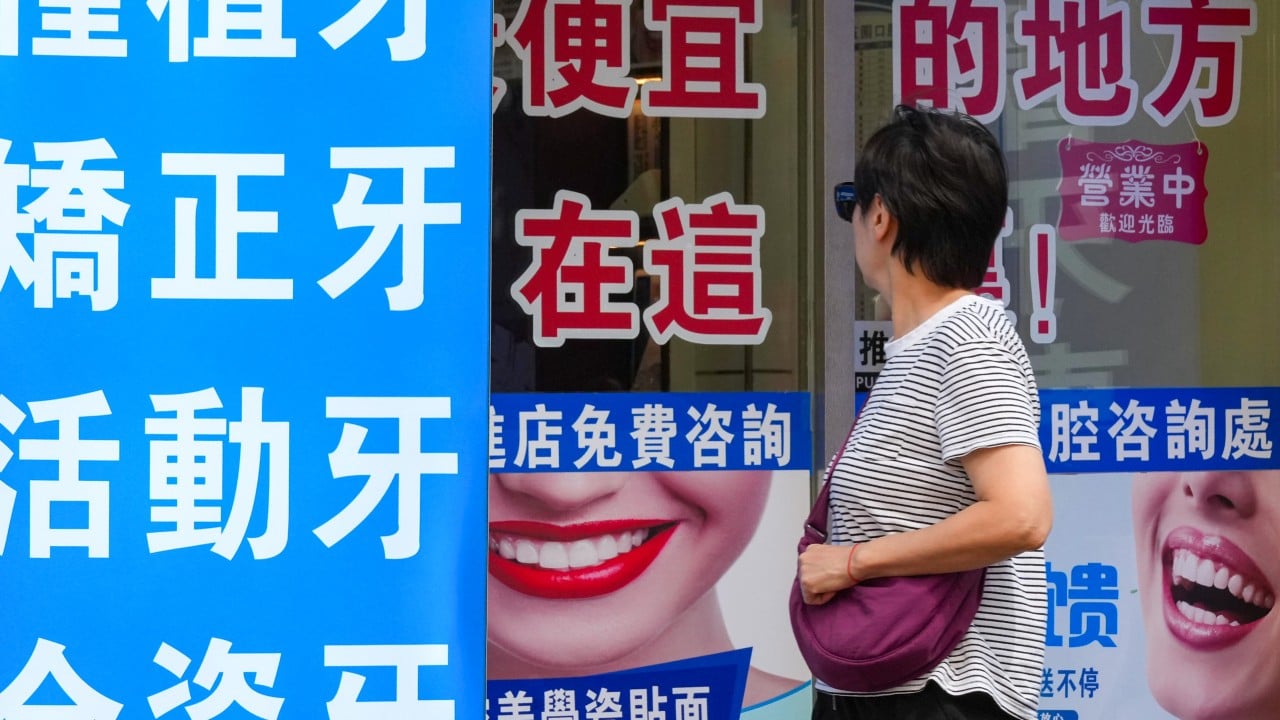
That is when the advertisements start appearing on your phone screen. Bright, cheerful promotions promising high-end dental care just across the Shenzhen border for a fraction of the cost. Free consults. Deep discounts. Ultra-modern facilities.
For thousands of residents caught between excruciating pain and an impossible bill, these offers feel less like a marketing campaign and more like a lifeline. Further analysis regarding this has been shared by NPR.
Then came the raid.
The Pop-Up Clinic in the Shadows
It was a Tuesday afternoon when the officers moved in.
Plainclothes investigators and health officials entered the commercial unit, catching staff completely off guard. Inside, the setup looked convincing enough at first glance: polished floors, sleek reception desks, posters displaying dazzling white smiles. But behind the glossy facade lay a stark reality that regulators had been monitoring for weeks.
A man was arrested on the spot. The charge? Practicing dentistry without registration and possessing unregistered pharmaceutical products.
To understand how a routine police raid becomes headline news, you have to look beyond the crime scene tape. You have to look at why a mainland Chinese dental group felt confident enough to set up an unauthorized promotion center right in the heart of Hong Kong in the first place.
Consider the economics of desperate choices.
In Hong Kong, private dental care operates in a high-rent, highly regulated market. A complex procedure like a root canal or an implant can easily stretch into tens of thousands of dollars. Across the Shenzhen river, mega-clinics have blossomed into industrial-scale operations, competing fiercely for cross-border patients.
To bridge the physical gap, these mainland operators began pushing their marketing directly into Hong Kong neighborhoods. They opened local consultation hubs and sales centers to book clients, hand out promotional vouchers, and offer preliminary check-ups.
They crossed a line. A legal one, and a safety one.
The Illusion of a Bargain
Imagine a hypothetical patient—let us call her Mrs. Chan.
Mrs. Chan needs three implants. Her local dentist quotes her a sum that would wipe out her savings. On social media, she sees a mainland chain offering the same procedure for seventy percent off. The ad directs her to a convenient location in Kowloon to "learn more and lock in the discount."
She walks into a clean, air-conditioned office. Someone in a white coat looks at her mouth, reassures her in fluent Cantonese, and hands her a detailed treatment plan alongside a stack of unregistered pain medication to tide her over until her appointment across the border.
She feels safe. She feels cared for.
What Mrs. Chan does not see is the invisible regulatory wall designed to protect her. In Hong Kong, anyone diagnosing conditions, recommending clinical treatments, or distributing prescription-grade drugs must be locally registered and strictly vetted. The registration isn't bureaucratic red tape; it is a guarantee that the person touching your body adheres to non-negotiable medical standards.
When a clinic operates outside this system, the safety net vanishes entirely.
If something goes wrong during a discounted procedure in a non-regulated setting, who takes responsibility? When an unregistered practitioner prescribes medication, who checks for toxic interactions or substandard manufacturing?
The answers disappear into a gray zone.
Behind the Velvet Curtain of Medical Tourism
Cross-border medical care is not inherently evil. Thousands of people travel abroad for healthcare every single day, often with stellar results. The danger arises when aggressive marketing strips away the basic safeguards of professional accountability.
During the raid, authorities seized boxes of unregistered medicines and diagnostic equipment. These were not just clerical oversights. Unregulated pharmaceuticals carry genuine risks: improper storage can render antibiotics useless, while incorrect dosages can lead to severe organ strain.
The investigation revealed a business model built on rapid expansion and low overhead. By operating illegal feeder hubs in Hong Kong, mainland companies could funnel steady streams of patients into their main facilities without paying for licensed local practitioners or navigating proper regulatory channels.
It was efficient. It was profitable. It was entirely illegal.
The Human Factor Behind the Headline
When news of the arrest broke, reactions were split down the middle.
Regulators framed it as a necessary crackdown to protect public health and maintain strict standards of care. But on community message boards and social media groups, the sentiment was far more conflicted.
"Where else are we supposed to go?" one comment read. "Fix the prices here, and people won't risk going to unlicensed spots."
That single sentence exposes the underlying tension driving this entire crisis. People are not flocking to illegal promotion centers out of ignorance; they are driven there by financial necessity. When basic health needs become luxury goods, caution is often the first thing sacrificed.
Crackdowns and police raids can clear out an illegal office unit in an afternoon. They can seize unregistered pills, put handcuffs on unlicenced operators, and lock the glass doors behind them.
They cannot cure a toothache.
As long as the gap between what people need and what they can afford remains wide, another pop-up office will inevitably open in another quiet commercial building, offering cheap fixes under shiny lights, waiting for the next knock on the door.